
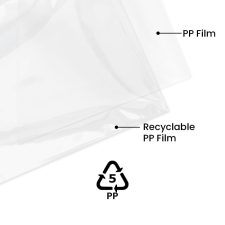
PP Recyclable transparent laminate
Swisspac’s compostable Plantmade™ laminate with a paper finish is home compostable and made from a blend of materials derived from eucalyptus and cassava root. It has a high barrier to both oxygen and moisture and is suitable for use across a number of different industry applications.
Compatible Style

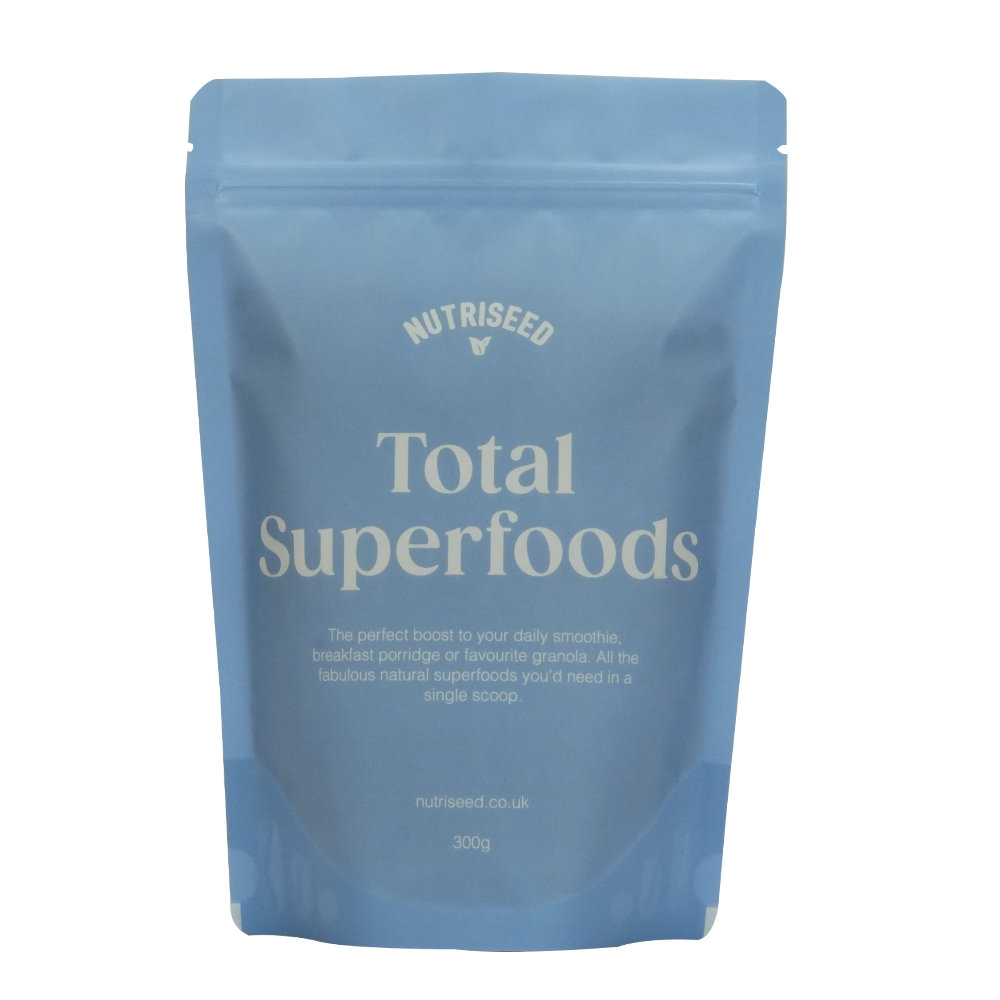
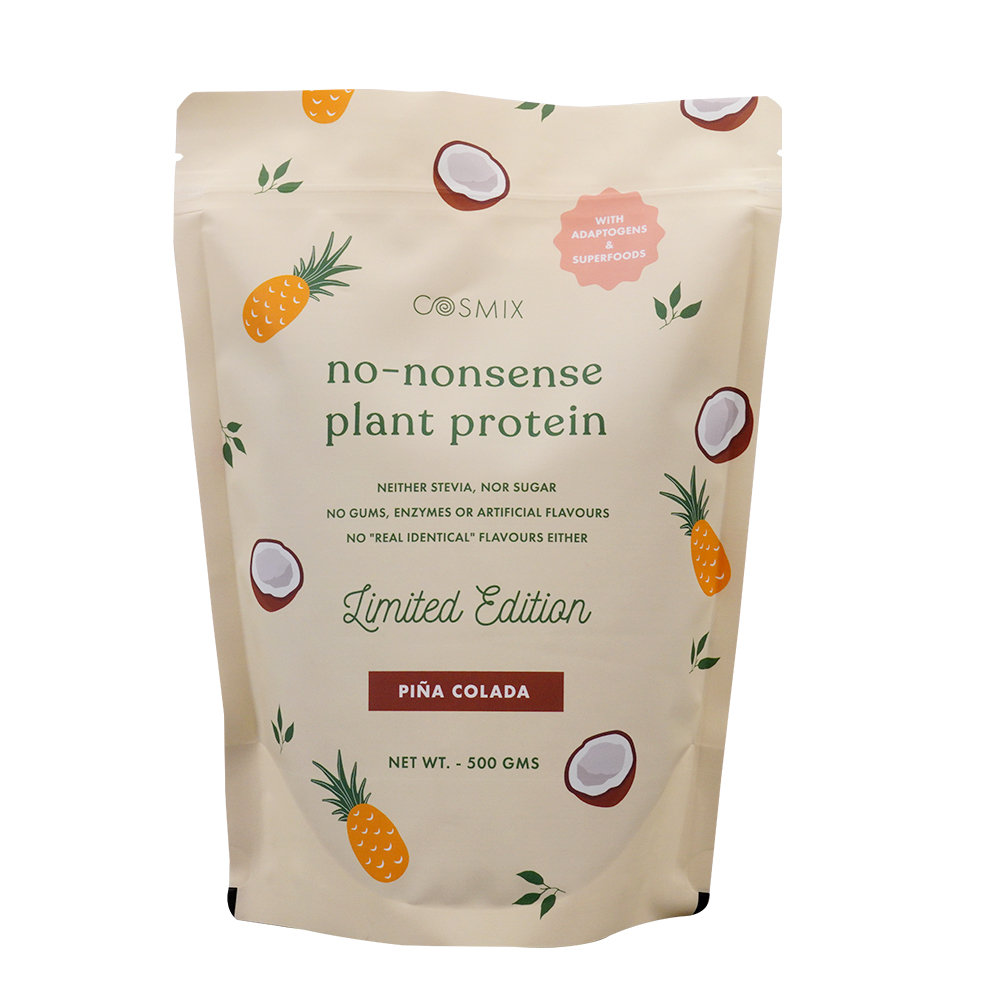
Stand Up Pouches
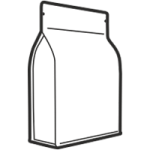
Flat Bottom Bags

Side Gusset Bags

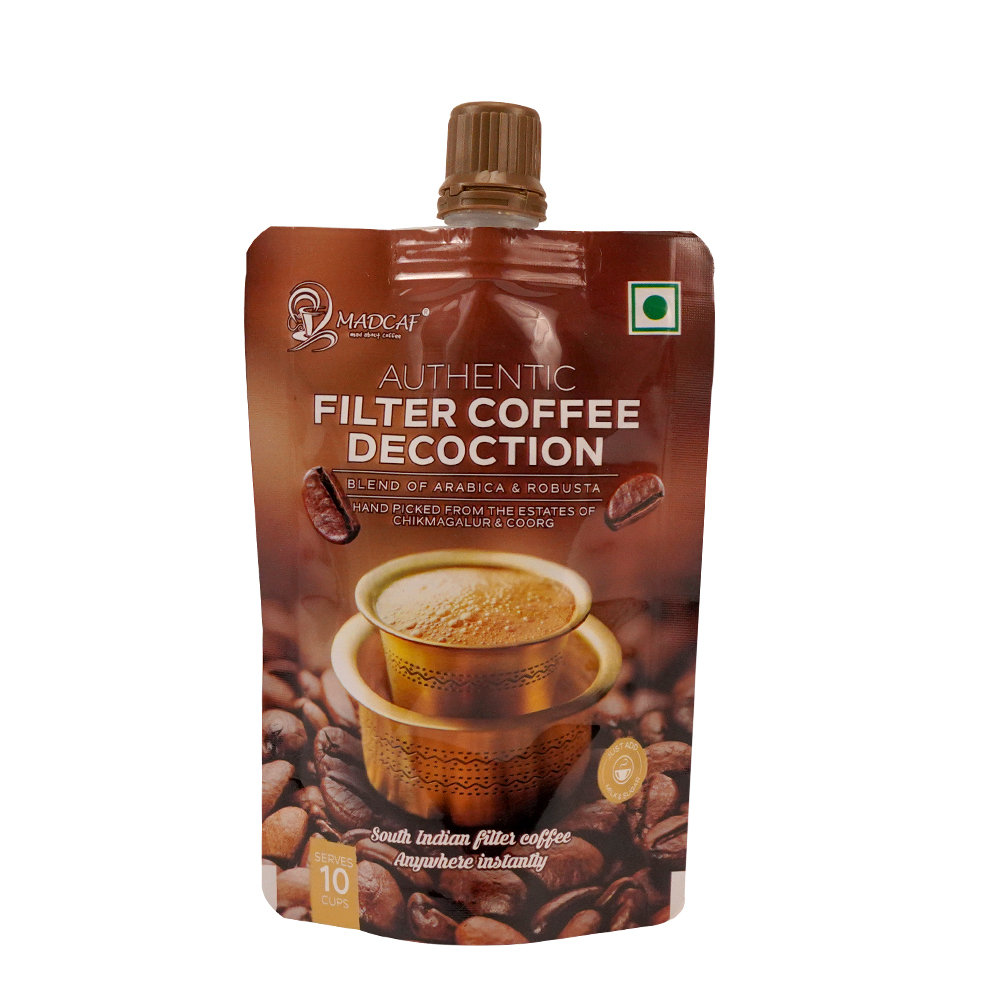
Spout Pouches

Vacuum Bags

Center Spout pouches
Compatible Printing Technologies
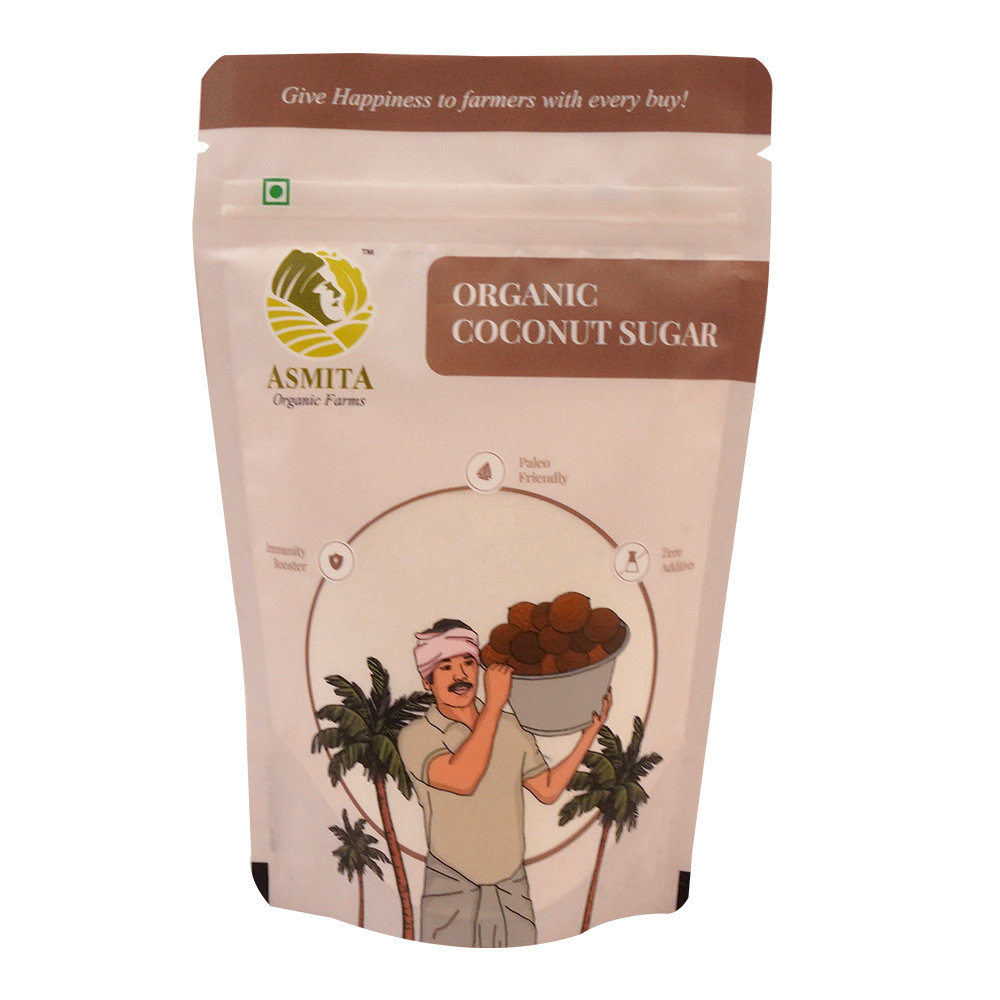
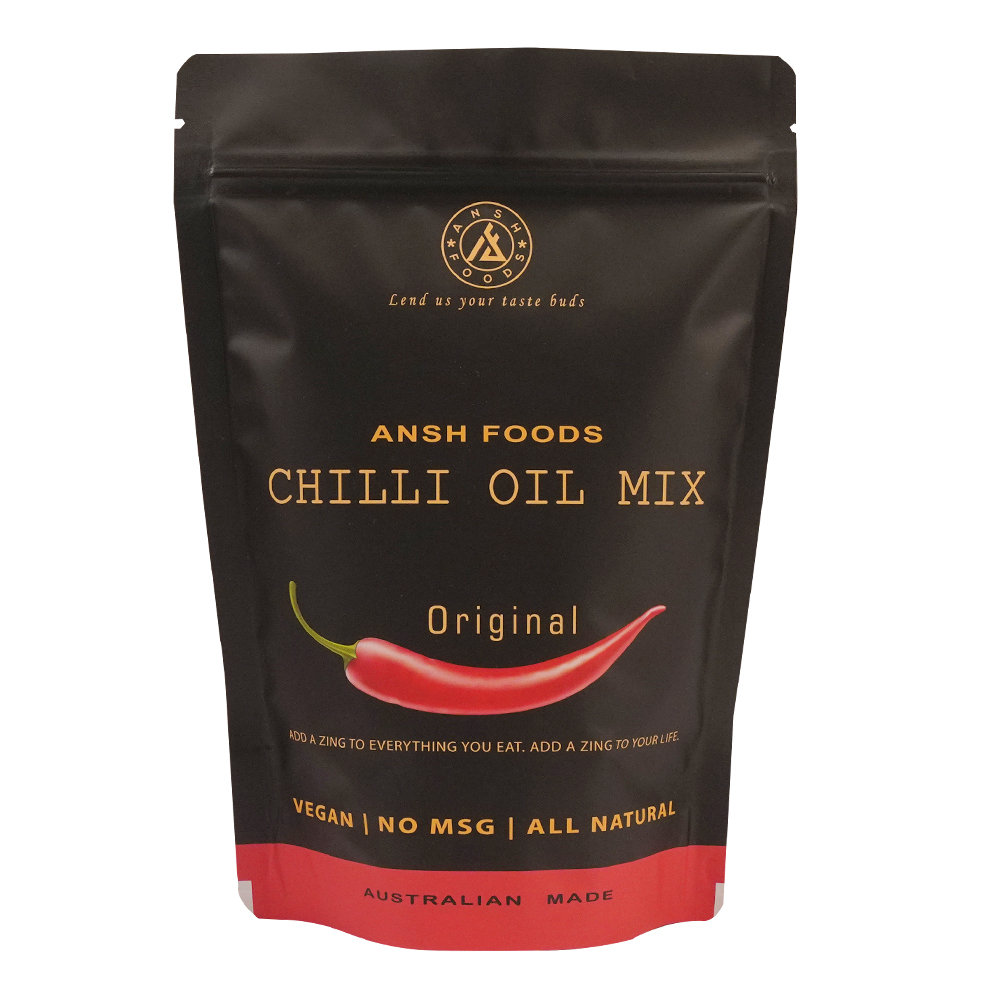
Sustainability Properties

Recyclable Plastic
Recyclable in the plastics waste stream

Nontoxic Inks
Water or biobased inks than do not require petroleum-based solvents
Considerations
- Completely compostable (or biodegradable) in both home and industrial compost conditions
- Does not break down into micro-plastic particles. The use of compostable materials in flexible packaging aids in the development a functioning circular economic system. This is particularly important in flexible packaging as it is an area that is very challenging for mechanical recycling
- The increased use of compostable materials creates market demand that will lead to the development of important composting infrastructure
- Reduces reliance on fossil fuels and increases the use of renewable plant-based materials
- Promoting the development of a composting waste stream also helps to address the problem of the excess waste to the landfill (in the form of food scraps) which has a significant contribution to greenhouse gas emissions
- More expensive than traditional virgin plastic materials
- A majority of compostable materials are hygroscopic, meaning they and have a tendency to take on moisture. This means that they have limited shelf-life for products with high moisture or oil content
- Despite the exciting opportunity compostable films and laminates represent to develop a productive circular economy, currently rates of composting are low
- If compostable bioplastics end up in a landfill, over time they will generate methane, a greenhouse gas far worse for the environment than carbon dioxide
- There is a lot of misinformation in relation to compostable materials and they lack universally-accepted labelling and certification standards